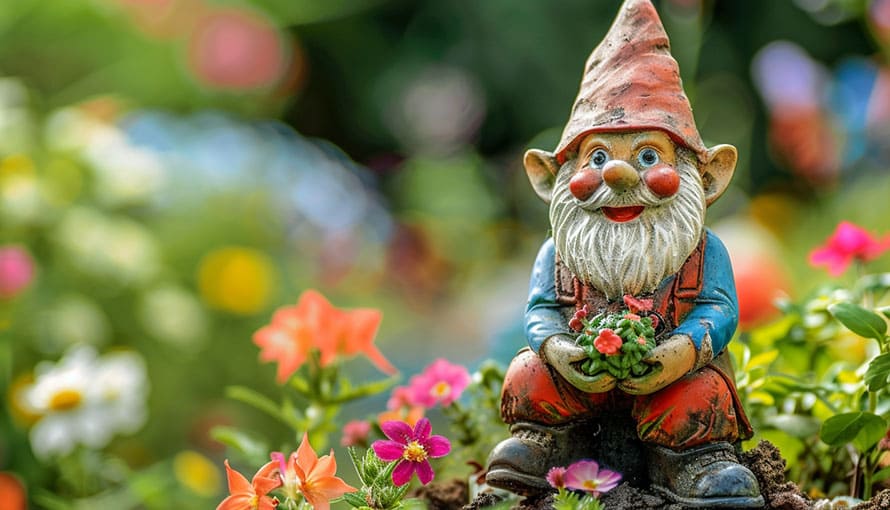
Garden gnomes, those tiny, magical protectors of gardens, have their roots in ancient traditions and folklore. Their story goes back to European mythology, where people believed these little beings lived underground or in the mountains and were associated with guarding treasure and bringing good fortune.
From Mines to Manors
The first gnome-like figurines appeared in the 16th century in the mines of Saxony, Germany. These statues depicted mine spirits meant to protect miners. By the 18th century, terra-cotta figures depicting peasants, knights, and mythical beings had become popular in the gardens of German aristocrats.
Victorian England and Global Spread
The garden gnomes we know today became especially popular in 19th-century England, where small gnome statues were used as garden decorations. These magical characters eventually spread across Europe and gained popularity worldwide.
Meaning and Symbolism
Today, garden gnomes are popular all over the world. There are many different types and styles—from classic gnomes with red hats and white beards to modern, humorous figures. Besides being decorative, gnomes also carry symbolic meaning. In some cultures, people believe they bring luck and prosperity, protect gardens from evil spirits, and symbolize safety and guardianship.
Craftsmanship and Materials
Traditional gnomes were crafted from hand-molded terra-cotta and fired in a kiln, then painstakingly hand-painted. As production evolved, makers began using ceramic, concrete, resin, and even wood. Resin gnomes are lightweight and weather-resistant, while ceramic and terra-cotta versions offer a more classic, artisanal look. Many contemporary artisans still produce small-batch, hand-painted pieces that echo the charm of 19th-century originals.
Care and Placement Tips
To keep gnomes looking their best, place them where they’re visible but protected from harsh conditions. Avoid prolonged direct sun to reduce fading, and consider bringing delicate or vintage gnomes indoors during winter freezes. If your garden is windy, anchor taller figures to prevent tipping. A low border or plant grouping can frame a gnome naturally, making it feel “at home” while adding a whimsical focal point.
Cultural Moments and Controversies
Gnomes have popped up in modern pop culture and even sparked controversy. The “traveling gnome” prank—where a gnome is spirited away and photographed at famous landmarks—led to widespread media attention, and the Roaming Gnome became the travel brand Travelocity’s mascot in the early 2000s. In the 1990s, the tongue-in-cheek Garden Gnome Liberation Front in France claimed to “free” gnomes from suburban lawns, drawing both laughter and debate about garden decor. Major garden shows have also wrestled with gnome inclusion; some events once banned them, only to later welcome the playful figures back for special occasions.
Why They Endure
Beyond novelty, gnomes tap into a deeper affection for craftsmanship, folklore, and nature. Their friendly faces and humble poses suggest watchfulness and care—qualities people love associating with their homes and gardens. Whether tucked among ferns or greeting visitors by the gate, they offer a touch of storytelling to outdoor spaces.
Fun Facts about Garden Gnomes
Read the story about a gnome!