


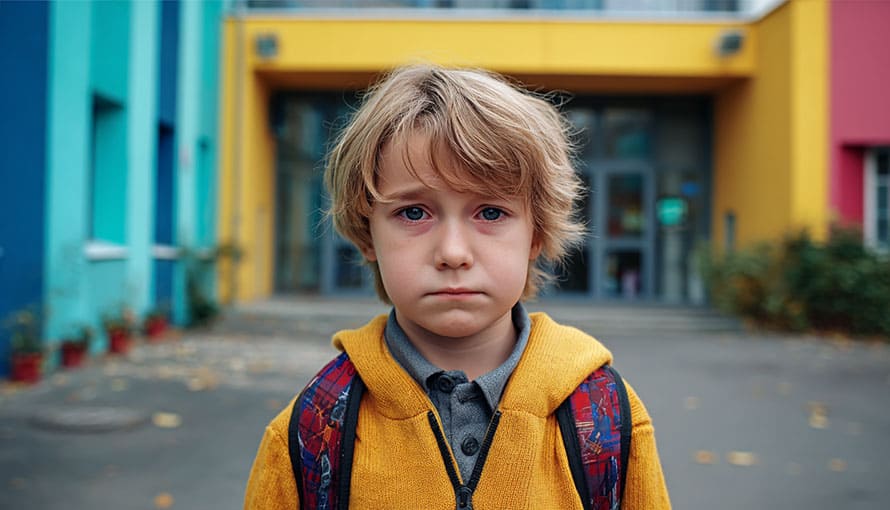
The end of summer and the start of the new school year can bring out mixed emotions in many children. For some, it’s all about excitement—seeing friends and having new experiences. For others, it’s about nerves, anxiety, or even fear. These feelings are perfectly normal and often come up at this time of year. In this article, we’ll look at the most common worries kids have before heading back to school and offer practical strategies for parents to help smooth the transition.
Why Do Kids Feel Anxious About Going Back to School?
Heading back to school after a long summer break is a major adjustment. Over the summer, kids get used to relaxed schedules—later wake-up times, fewer responsibilities, and more time for play. Suddenly switching to early mornings, homework, and school routines can be tough for both their bodies and minds.
In addition to a schedule change, kids may worry about new surroundings, especially if they’re entering a new school or classroom. Fear of the unknown, unfamiliar teachers, and new classmates is a natural part of adapting. Older children may also worry about tougher coursework, exams, or grades. It’s important to know these feelings are normal and, with support, kids can overcome them.
Common Back-to-School Fears
Fear of New Places and People
This is strongest with younger children—like kindergarteners or those starting at a new school. They might worry about making friends, getting along with teachers, or finding their way around. Older kids may stress about new subjects or teachers.
Many kids are unsure if classmates will accept them or if they’ll fit in. Some dread teasing, bullying, or the possibility of not making friends. These worries are more common among kids who’ve struggled socially in the past or tend to be more introverted.
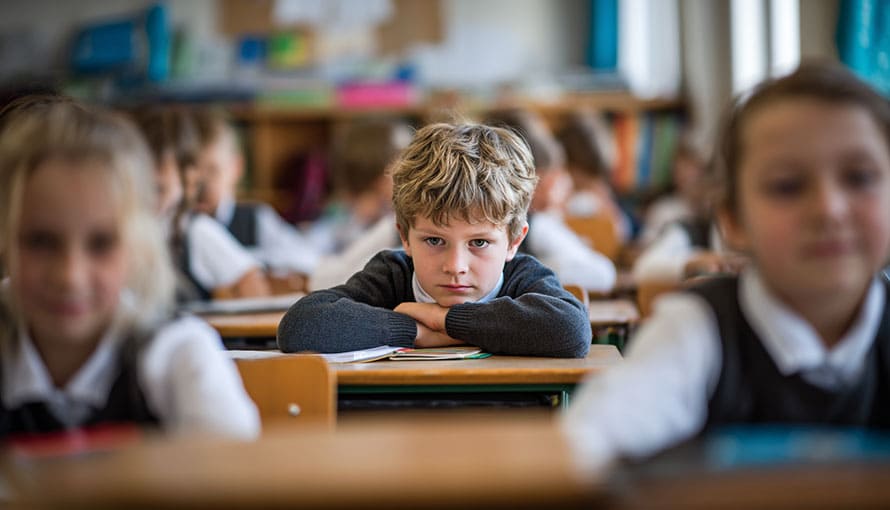
Academic Concerns
As kids get older, schoolwork gets harder. They may worry if they’ll keep up with lessons, get good grades, or fall behind. Pressure from parents or self-imposed expectations can make these fears worse.
Struggling With Routine Changes
After a summer of leisure, going back to rigid schedules—early mornings, homework, and responsibilities—can be a source of stress.
Signs Your Child Might Be Worried About School
Kids aren’t always able to express their feelings directly. Instead, anxiety may show up in various ways, such as:
If you notice these signs, it’s important to talk gently with your child and help them work through their worries.
Practical Tips to Help Kids Transition Back to School
Ease Into New Routines
Don’t wait until the day before school starts to adjust your schedule. Ideally, start at least a week ahead: gradually move up wake-up and bedtime by 15–20 minutes each day until you reach the school schedule. This gradual shift helps kids’ bodies adjust without unnecessary stress.
Open Communication About Concerns
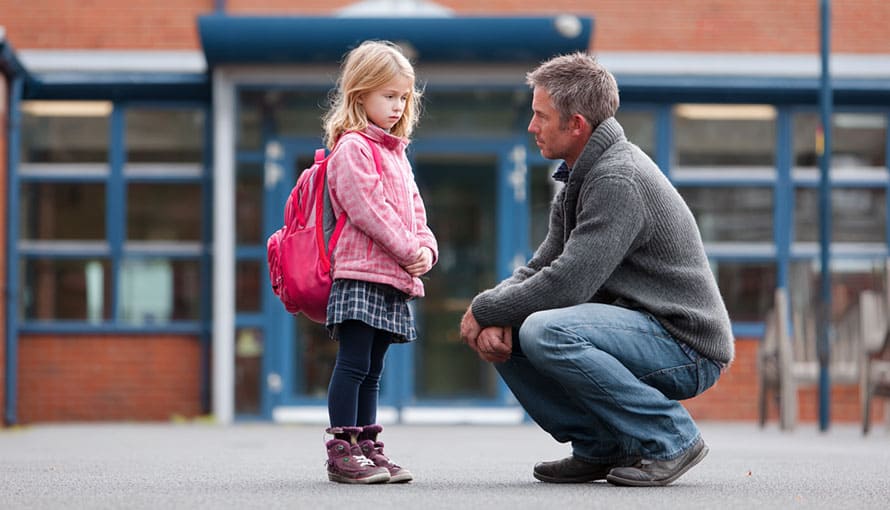
Create a safe space for your child to share their worries. Ask specific questions, like, “What worries you most about starting school?” Listen without minimizing their feelings—avoid saying, “It’s no big deal,” or “You’ll get over it.” Instead, validate their emotions: “I understand you feel nervous—it’s perfectly normal.” Then, brainstorm solutions together.
Positive Motivation and Preparation
Help your child focus on the positives—seeing friends, favorite classes, fun projects. Shop together for school supplies they like and involve them in preparation. Make back-to-school time feel exciting and upbeat.
Practice Stressful Situations
If your child is nervous about things like introducing themselves in class, try role-playing these scenarios at home. Practicing builds confidence and helps them feel more prepared.
Visit the School Before It Starts
If possible, take your child to visit their school before classes begin. Walk through the building together and point out their classroom, cafeteria, gym, and other important areas. Familiarity can ease anxiety about new environments.
Suggestions for Kids of Different Ages
Preschoolers & Kindergartners
For younger kids, create positive associations with school. Read stories about school life, talk about your own fun school memories, and play pretend school games to help them know what to expect. Practice life skills they’ll need, like dressing themselves, using the bathroom independently, and packing their backpack.
Elementary School Kids (Ages 7–10)
These kids have some experience with school but still need help adjusting to routines. Create a visual schedule or checklist for their morning tasks. Have them help pack their lunch and school bag the night before—this builds independence and reduces morning stress.
Tweens and Teens
Older kids often worry most about social dynamics and academic performance. Respect their need for privacy, but let them know you’re available if they want to talk. Support their organization and study habits without taking over their responsibilities. Encourage independence and praise their effort, not just their results.
When to Seek Professional Support
Most children manage the return to school with basic parental support. However, if:
…don’t hesitate to reach out to your pediatrician, school counselor, or a child psychologist.
Conclusion: Patience and Support Are Key
Back-to-school time can be a challenging period for kids, but with your patience, support, and understanding, they can cope and even thrive. Remember that every child is unique and might need a different approach—some adjust quickly, while others need more time and support. The most important thing is having a safe home environment where kids can talk openly about their feelings and get the reassurance they need.
Also, keep in mind your own attitude toward school and learning—your perspective strongly influences how your child feels about education. Speaking positively about school and emphasizing its value helps your child create a healthy, lifelong relationship with learning. With kindness, patience, and the right strategies, you can help your child not only overcome early worries but also build a resilient attitude toward school and learning.



Social Anxiety and Fear of Rejection