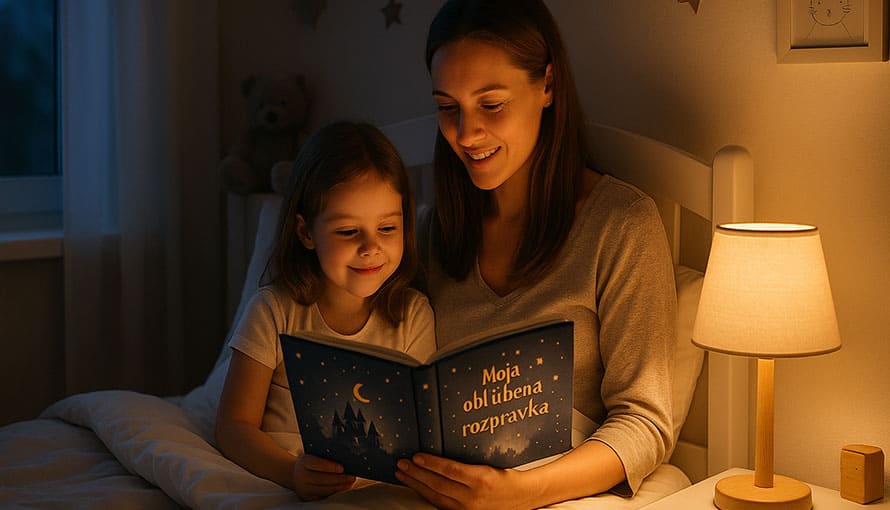
If you’re a parent, you’ve probably noticed this: your child picks a favorite bedtime story and insists on hearing it every single night. No matter how many books are on the shelf, it’s always the same one. Even though your child knows every word and can practically recite it by heart, nothing else will do. You might wonder, “But we have a whole library of stories at home!” Still, your child keeps coming back to that one. Is it just a phase, a quirky habit, or is there more to it? In reality, there’s something much deeper at play—psychology, a need for security, and an amazing chance to help your child learn.
Kids Love Repetition Because It Makes Them Feel Safe
Every day is full of new experiences for young children. The world around them is a constant swirl of new words, sounds, faces, and situations. All that change can be overwhelming. Hearing a familiar story again and again helps them find comfort and a sense of control. They know exactly what’s coming next—whether the lion cub finds its mom, the wolf comes up short, or the ending wraps up happily ever after. The predictability of their favorite story provides a sense of safety, especially at bedtime, when kids need to calm their minds.
Experts say that repeated listening helps children build attachments to what they know. That bedtime story becomes their “emotional teddy bear”—a source of comfort, something they love and rely on.
Repetition Helps Kids Learn
From a psychological perspective, repetition is one of the most powerful ways young children learn. By hearing the same story over and over, kids build language skills. They start to notice new words, understand sentence structures, and figure out how cause and effect work.
With each repetition, they soak up more and more of the story. First, they just focus on what’s happening. Next, they start asking questions. Eventually, they can retell it themselves. Repetition strengthens memory, encourages concentration, and builds routine—all important foundations for future success in school.
Parents can make the most of this phase. Try introducing new words within a familiar story or tweaking the plot a little so your child learns to spot changes and respond to them.
Stories as Tools for Emotional Intelligence
Listening to the same tale again and again helps children understand feelings—their own and those of the characters. Early on, kids mostly track what happens and to whom. But little by little, they start noticing emotions: why the bear feels sad, what scares the princess, or what makes the wolf so upset. This is a great moment for parents to talk about how characters feel and what might help them.
These conversations gently build empathy, teach kids to label emotions, and show them ways to resolve conflicts or make someone happy. The more a child returns to a story, the more they pick up on these subtle details and learn about the world around them.
How to Keep the Same Old Story Fun
Even if your child loves hearing the same story endlessly, you might start to get a little bored with it. The good news? You can make any familiar story an exciting, interactive moment for both of you.
Try talking about the plot together. Ask questions like, “What do you think the bunny will do next?” or “Why do you think the dragon got upset?” Not only does this bring new life to the story, but it also helps your child think, reason, and express their feelings.
Come up with a new ending. What if Cinderella decided to go to the ball a different way? Or if Little Red Riding Hood invited the wolf over for a snack instead? Making up alternative versions boosts creativity and shows your child that stories aren’t set in stone—and their ideas matter.
Link the story to your own memories. If the bear goes to preschool, ask, “Do you remember how you felt on your first day?” This connects the storybook world to your child’s real-life experiences and strengthens your bond.
Conclusion: Stories as Bridges Between Worlds
If your child wants to hear the same story again and again, rest assured—it’s perfectly normal. It’s not about stubbornness or convenience. It’s all about development, security, and a love of storytelling. Instead of pushing against this phase, use it as an opportunity. Add your own questions, create new versions together, and turn repetition into playful learning.
Bedtime stories are so much more than just tales to send your child off to sleep. They’re gateways to creativity, emotional growth, and understanding. And the more you read them together, the wider you help open those doors for your child.