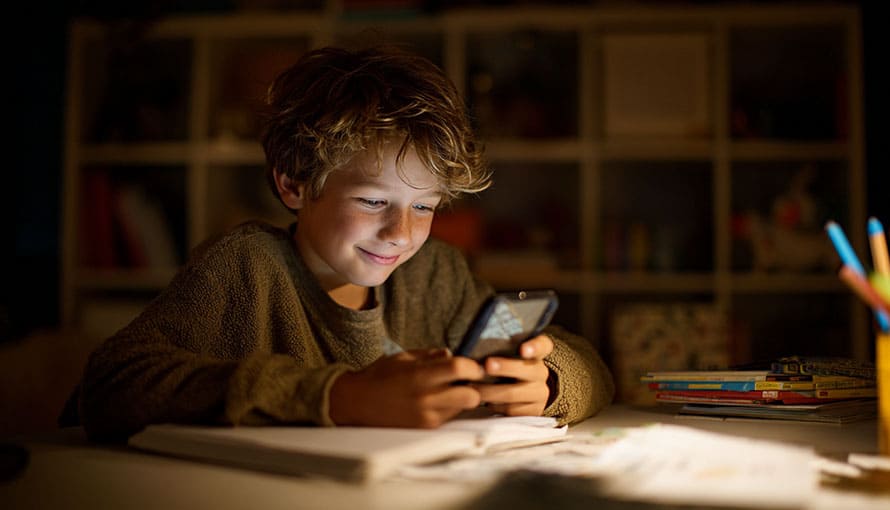
In today’s fast-paced world filled with flashing screens and endless distractions, it’s harder than ever for children to maintain their attention. With so many stimuli competing for their focus, we as parents often ask ourselves: “Is it just normal childhood restlessness, or can I really help my child become more focused?” Good news—the answer is yes! Focus isn’t an innate talent; it’s a skill that can be developed through playful and engaging activities.
This article will share proven tips, fun games, and activities that help kids improve their ability to concentrate—without unnecessary pressure or stress. Keep in mind: patience, understanding, and turning learning into an adventure are the keys to success!
Why Is Focus Important for Kids?
Why should young children learn to focus? The ability to concentrate is the foundation for successful learning and growth in so many areas of life. A focused child more easily follows instructions, remembers new information, completes tasks, and tackles problems. It’s not just crucial for school—it matters for everyday life, building relationships, and developing creativity. Plus, kids who can focus are often calmer and more confident, and they’re better at managing their emotions.
Why Do Kids Struggle to Focus?
Before diving into specific activities, it’s helpful to understand why kids often have difficulty sustaining attention. Young brains are still developing, and the ability to focus increases with age. Preschoolers may focus for only 5–20 minutes at a time, while elementary students may sustain focus for 30–45 minutes.
A child’s focus is influenced by many factors, including:
When to Start Building Attention Skills
You can start focus-building exercises from a young age—just adapt activities to your child’s developmental level. Even toddlers can gradually increase the time spent on a single activity or game. Begin with short, playful activities that capture your child’s interest, then slowly lengthen the time as they develop persistence.
Games for Toddlers (Ages 2–4)
Treasure Hunt
Hide a few toys or colorful balls around the room and invite your child to find them. Give clues like “warmer/colder” or “higher/lower” to guide them. This game builds systematic searching and helps them concentrate on a goal.
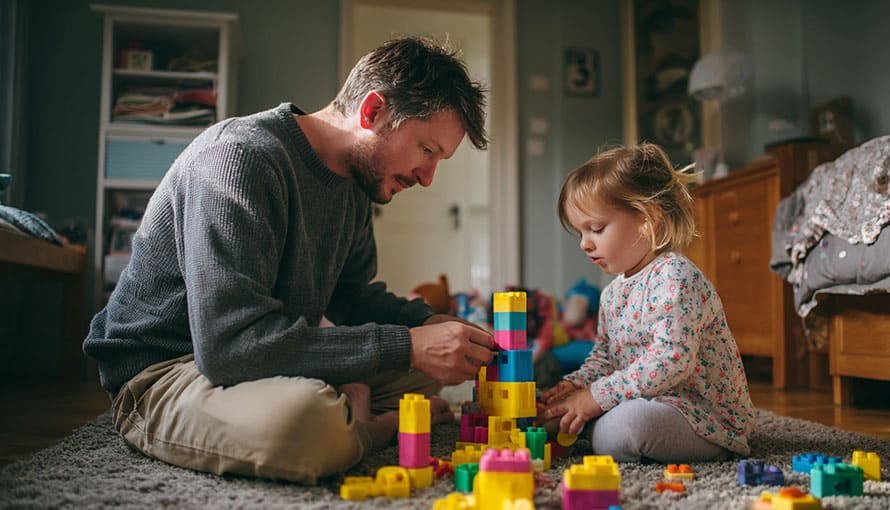
Building Towers
Classic stacking games—whether using blocks or cups—help develop fine motor skills, patience, and focus. Set a fun goal—like building a tower of 10 blocks that doesn’t fall. Your child will need to pay attention to stability and persevere.
Sorting by Color or Shape
Gather objects like buttons, balls, or blocks in different colors and shapes, and have your child sort them into bowls. This activity nurtures focus, pattern recognition, and categorization skills.
Activities for Preschoolers (Ages 4–6)
Puzzles and Simple Building Sets
Start with easy puzzles or building sets with fewer pieces, then move to harder ones. Kids learn to pay attention to details and persist until the task is done.
Memory Tray Game
Place 5–10 small objects on a tray and let your child look at them for a minute. Cover the tray and see how many they can remember. Try removing one object next time and ask which is missing. This boosts visual memory and attention.
Storytime with Details
Read a short story, then ask your child about key details—what color the main character’s shirt was, how many animals appeared, and what the princess had for breakfast. Gradually encourage your child to tell their own stories with plenty of details.
Games for Elementary Age (Ages 7–10)
Board Games
Games like Candy Land, Memory Match, UNO, or chess encourage concentration, strategic thinking, and patience. Kids learn to follow rules, wait for their turn, and consider their options.
Tangram and Logic Puzzles
Challenge your child to create specific shapes from geometric pieces or solve logic puzzles. These activities get them thinking and focusing on problem-solving.
Ongoing Projects
Start a longer-term activity—like building a model, growing a plant, keeping a nature journal, or creating their own book. The key is regular engagement over several days or weeks, nurturing ongoing focus and a sense of accomplishment.
Challenging Activities for Tweens (Ages 10+)
Mindfulness and Simple Meditation
Introduce easy mindfulness techniques: focusing on the breath for a few minutes, listening to environmental sounds with eyes closed, or relaxing muscles from head to toe. These calm the mind and boost concentration.

Creative Projects
Encourage ambitious creative work—making a short video, writing a story, designing a board game, or coding a simple app. These projects build planning skills, persistence, and multi-step focus.
Time-Based Challenges
Give kids challenges with a time limit—solving a math problem in 15 minutes, writing a short essay in 30 minutes, or drawing a picture before the timer runs out. They’ll learn to use their time wisely and focus intensely.
Parent Tips: How to Encourage Focus Every Day
Create a Distraction-Free Space
Turn off the TV, put phones away, and minimize noise. Make sure your child’s workspace is tidy and only has what’s needed for the task. A calm, organized space helps kids focus longer.
Establish Routines
Consistent daily schedules help kids feel secure and focus better. Clear times for homework, reading, and play make transitions easier and reduce resistance. Routine builds habits and gradually boosts their ability to stay on task.
Break Big Tasks into Smaller Steps
Children who struggle to focus benefit from splitting larger tasks into smaller chunks, with short breaks in between. Try the Pomodoro technique: work for 25 minutes (or less, depending on age), then take a 5-minute break. This teaches time management and stretches their focus naturally.
Encourage Physical Activity
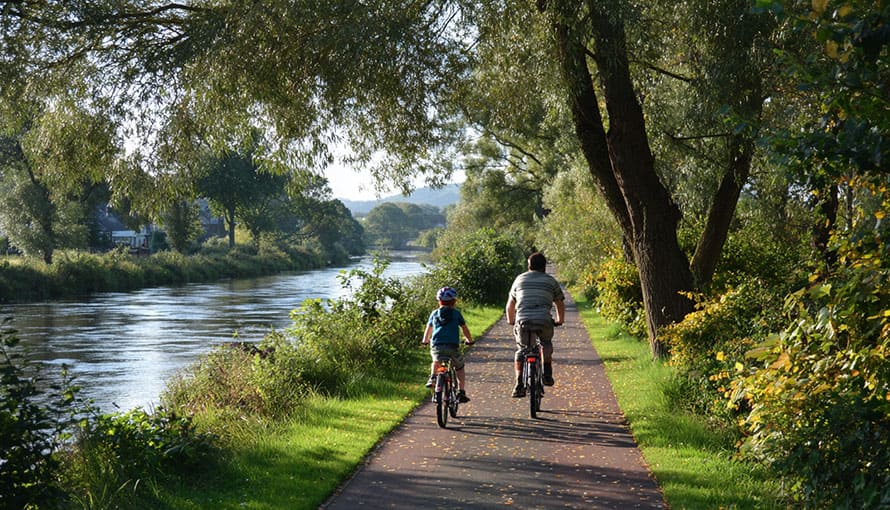
Regular movement is essential for focus. Research shows physical activity improves brain function and boosts concentration. It lets kids burn off excess energy and primes their minds for learning. Aim for at least 20 minutes of active play before tasks like homework—playing outside, riding a bike, or participating in sports are all excellent options. Physical exercise also leads to better sleep, another key to good concentration.
Praise Effort, Not Just Results
Experts recommend celebrating your child’s effort—praising them for paying attention, sticking with a task, getting back to work after a distraction, or not giving up when things get tough. Specific compliments like, “I saw how carefully you put together that puzzle,” or “I loved how you didn’t let your brother distract you,” help them recognize the value of focusing. When kids see that effort is valued, not just perfection, they build inner motivation and resilience.
When to Seek Professional Guidance
If your child has ongoing and significant trouble with attention that affects school or daily life, consider consulting a specialist. Pediatricians or child psychologists can determine if more support is needed and guide you toward effective strategies.
Conclusion
The ability to concentrate develops over time. With playful activities and a supportive home environment, you can help this skill grow—and make the journey enjoyable for both you and your child. Every child is different; some focus longer, some for a shorter time, and that’s perfectly fine. Consistent, patient practice leads to progress. The best outcomes happen when you adapt activities to your child’s interests and maintain a positive, pressure-free atmosphere.
Which of these activities will you try with your child first? Maybe it’ll become your new favorite way to spend time together—boosting focus and creating joyful family moments!