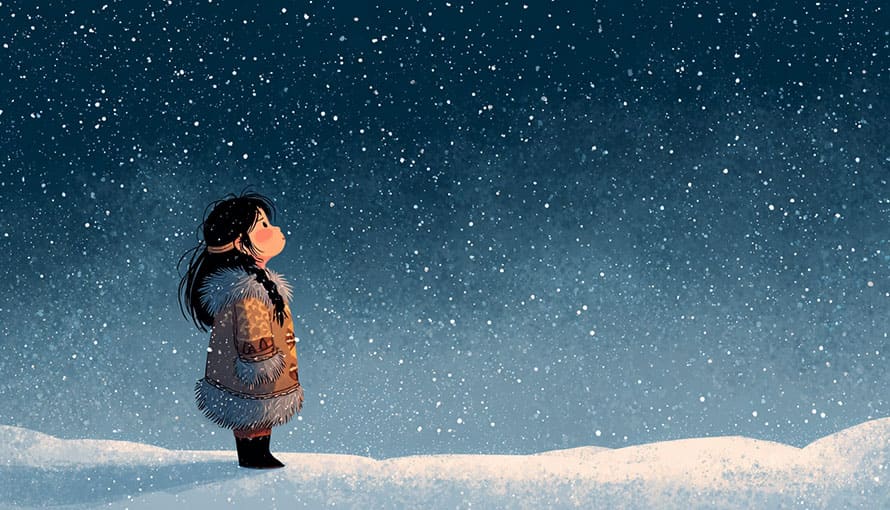
Imagine a vast and magical land where the snow sparkles like millions of diamonds, and the wind whispers ancient songs. That’s the home of the Inuit—a group of people who have learned to thrive where snow and ice rule the land. You may have heard these people called by other names, too, like “Yupik.” These are the folks who have made some of the coldest places in the world their home. Let’s take a snowy journey together and discover some amazing stories about their way of life!
Endless White Plains: What’s Their World Like?
The Inuit live in areas around the North Pole—places like northern Canada, Greenland, Alaska, and parts of northern Russia. These spots are so far north that the winters are much colder than almost anywhere else, with temperatures plummeting as low as –58°F! Here’s something super cool: in the winter, the sun doesn’t rise for weeks at a time. Imagine a world that stays dark all day, with only the magical glow of the Northern Lights to brighten things up. In summer, it’s the opposite—the sun barely sets, and it can stay bright all night long! In this unique environment, the Inuit have become true survival experts, relying on nature for everything they need.
A Journey Through Time: The Inuit Story
The Inuit have called the Arctic home for an incredible 5,000 years—way longer than many cities or countries have existed! Long ago, their ancestors traveled from Asia across frozen seas to North America. They were skilled hunters and used everything around them, from animal bones and fur to stones and snow, to make tools and clothing that helped them survive. There were no stores or factories, yet they came up with amazing inventions to live in one of the toughest places on Earth. The Inuit lived in small groups and were closely connected, knowing they needed to help each other to make it through.
Igloos: Cozy Snow Houses
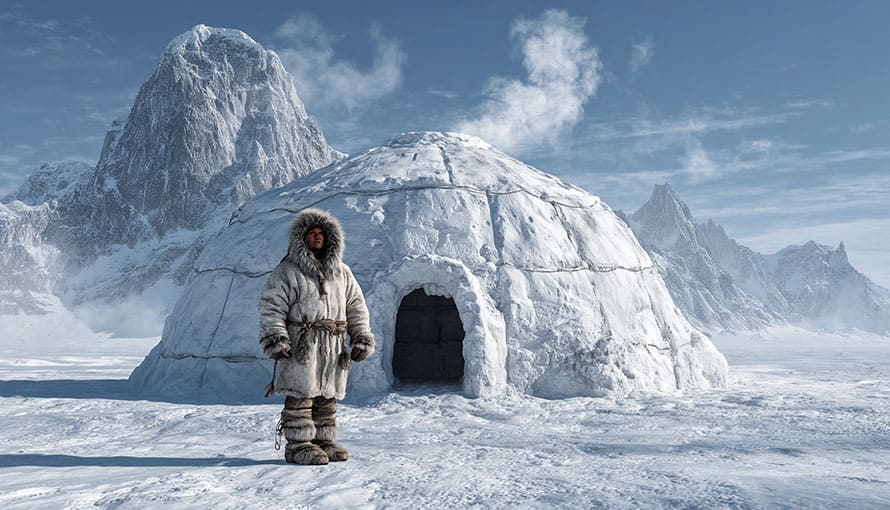
You’ve probably heard about igloos—those round, white snow houses. The Inuit built them during long hunting trips when they needed somewhere warm to sleep. To make an igloo, blocks of packed snow are arranged in a circle and stacked to form a dome. Inside, it’s much warmer—while it might be –40°F outside, the inside can reach around 32°F, which can feel relatively comfortable to the Inuit. They’d lay animal skins on the floor to sleep and light lamps fueled by seal oil. These days, most Inuit live in modern houses, but igloos are still important symbols of their culture, often built for fun or to show tourists how things used to be.
What’s for Lunch? Traditional Inuit Foods
So, what do people eat in a place where hardly any plants grow? Mostly meat and fish! The Inuit have always been incredible hunters and fishers. They hunt large sea animals like seals and walruses, as well as land animals like caribou and Arctic foxes. The meat and fat from these animals give them the energy and warmth they need. They also catch all kinds of fish and, during the brief Arctic spring, gather berries and any plants they can find. Some traditional foods are eaten raw—like frozen fish—to keep in all the vitamins and nutrients. Today, the Inuit shop at stores for foods from all over the world, but traditional dishes are still a big part of their heritage and are often enjoyed at family gatherings.
How Do the Inuit Dress?
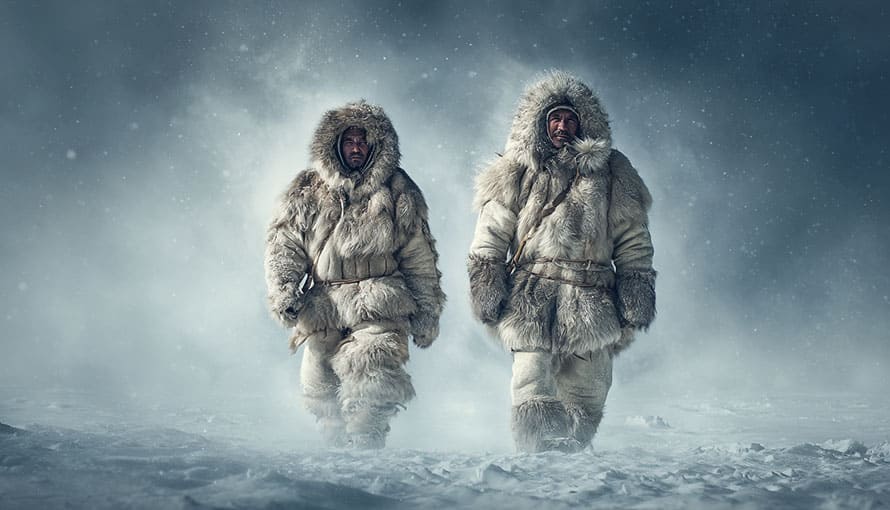
What would you wear if it were so cold outside your breath froze in the air? The Inuit designed fantastic clothing to defend against freezing temperatures. Traditionally, they wore layers of animal fur—seal, caribou, or fox—with the softest fur turned inward for warmth and the outer layer facing out to block snow and wind. They wore special pants, hooded jackets called “parkas,” and thick fur boots to keep their feet dry and warm. Their mittens had only two sections—one for the thumb and one for all the other fingers—because that shape traps heat better. While many Inuit now wear modern clothes, lots of families still use traditional fur garments, since nothing protects against the Arctic cold quite as well as they do.
Inuit Kids: Toys and Games
Just like you, Inuit kids love to play! In the past, their toys were often homemade—dolls made from animal skins and fur, tiny kayaks and sleds built from bone and driftwood. Their games taught them skills needed for life in the Arctic, like hopping on one foot to build leg strength for trekking through snow. One favorite game was “ajagaq,” which is a bit like a matching game but played with animal bones. Kids also learned from their parents how to hunt, sew clothes, and build shelters. Today, Inuit children play with modern toys, too, but still learn the traditional skills that keep their culture alive.
Traditions and Customs
Family and community are super important to the Inuit. Everyone looks out for each other, knowing that teamwork is the key to survival in such a harsh environment. They have beautiful songs and dances, often performed using drums made from animal skins. Storytelling is a big part of their culture—sharing legends about ancestors, stars, and spirits that live in nature. The Inuit believe every part of nature has a soul—animals, plants, even rocks and ice—so they treat the environment with deep respect and only take what they truly need. When they hunt, they thank the animal for giving them food and warmth.
Cool Facts to Surprise You
Inuit Greeting
Did you know that instead of a handshake, the Inuit greet each other by rubbing noses? It’s a sign of affection and friendship!
Polar Day and Night
Up north, there are times when the sun never sets—called “polar day”—and in winter, it doesn’t rise for weeks, known as “polar night.”
Dog Sledding
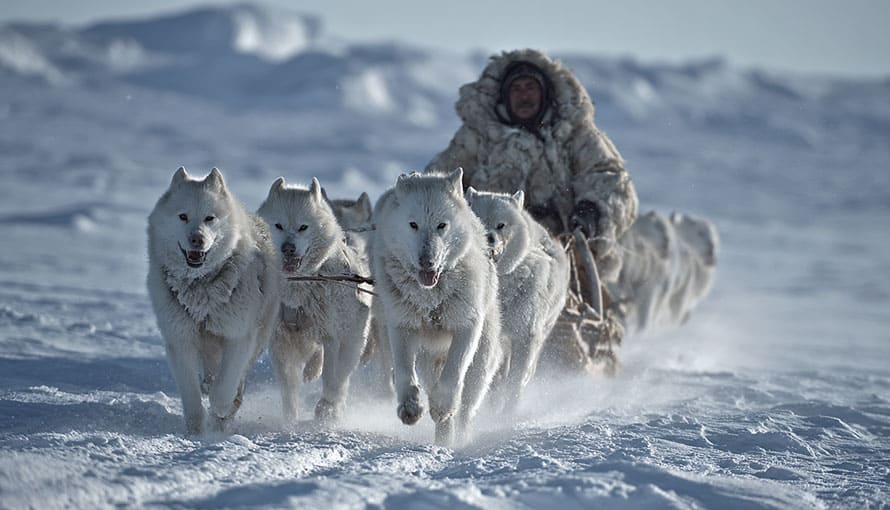
The Inuit are famous for their awesome dog sleds. Their husky dogs are strong and tough, able to pull sleds with people and supplies across vast snowy distances. These dogs are more than helpers—they’re the Inuit’s best friends!
A Language of Snow
Inuit languages have lots of different words for snow—each describing a special kind of snow, whether it’s fresh, powdery, icy, wet, or packed. Having so many words helps them navigate and survive in their snowy world.
Inukshuk
This is a stone marker built to look like a human figure. The Inuit use them as signposts to guide their way across endless tundra where there are no trees or landmarks. Sometimes, you can find small ones on hiking trails in America, known as “trail cairns.”
Northern Lights
If you ever travel far north, you might see a spectacular dance of colored lights in the sky—called the Northern Lights, or aurora borealis! Inuit legends say these lights are the spirits of their ancestors dancing overhead.
The Inuit Today
There are about 180,000 Inuit in the world, and their lives have changed a lot. Many live in modern houses, go to school, and use computers and cell phones. But they still cherish their unique culture—they learn their language (called Inuktitut), wear traditional clothes at celebrations, and hunt in traditional ways. Sadly, climate change is threatening their way of life—Arctic ice is melting, and animals they rely on are disappearing. That’s why it’s so important for all of us to take care of our planet and help protect their amazing culture.
The Inuit teach us how to be brave, creative, and respectful of nature. Their traditions are filled with stories, songs, and dances. They love their families and communities and show us that you can find beauty, harmony, and happiness even in the toughest conditions. Their deep history and rich customs deserve to be learned about and admired.
So, friends, did you enjoy this trip to the icy world of the Inuit? Maybe one day you’ll have a chance to visit the Arctic yourself and see how people live there. Until then, just imagine what it would be like to build your own igloo or ride a dog sled across endless snowy fields under the shimmering Northern Lights!
Read a story about the Inuit!