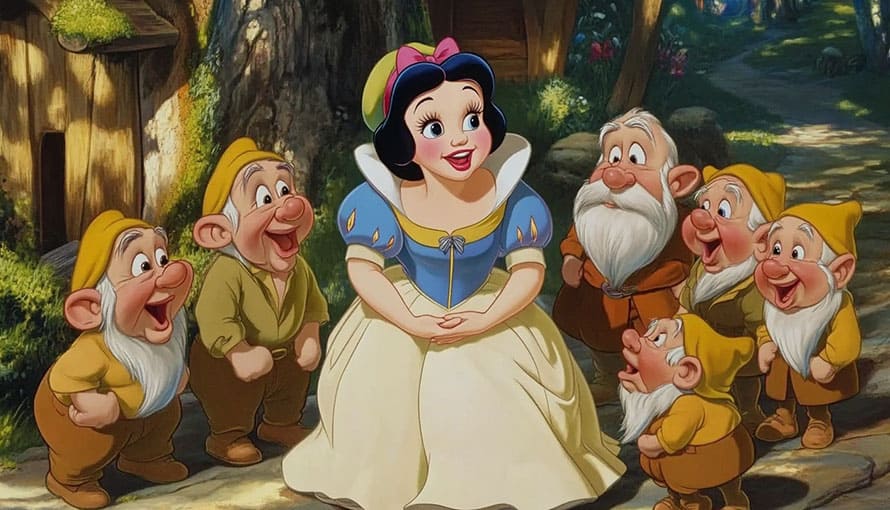
Fairy tales have been a fundamental part of childhood for generations. Whether they’re stories of brave heroes, mysterious kingdoms, or the wisdom woven throughout them, classic fairy tales hold a special place in our hearts. Even in an age overflowing with modern stories, high-tech movies, and digital worlds, tales like Cinderella, Little Red Riding Hood, and Snow White remain as popular as ever. But why? Why do stories written centuries ago still feel so current and meaningful?
Timeless Themes and Values
One of the main reasons classic fairy tales endure is their ability to communicate timeless values. Heroism, friendship, love, courage, and justice—these are themes that resonate with people no matter when or where they live. Who doesn’t want to believe that good will ultimately triumph over evil, or that love conquers all obstacles?
Stories like Beauty and the Beast teach us that real beauty comes from within, while Cinderella reminds us that patience and kindness are virtues that lead to happiness. These universal values are cherished by parents, who gladly pass them on to their children, even as the world around them constantly changes.
Learning Through Metaphors
Children often understand the world better through symbols and metaphors, which are abundant in classic fairy tales. Little Red Riding Hood represents innocence, while the wolf embodies danger. Fairy tales let kids think about tough issues by presenting them through stories and characters that, though fictional, carry deep messages.
For instance, Hansel and Gretel teaches us about trust and also warns of the dangers children may encounter in life. Through such stories, kids absorb important life lessons without feeling overwhelmed by the seriousness of the subject matter.
Magic and Imagination
Classic fairy tales create enchanted worlds that fuel children’s imaginations. Forests filled with mystical beings, heroes battling dragons, magical castles, and sleeping princesses—these motifs act as doorways to possibilities beyond the everyday. Children naturally love to play with ideas and envision situations that go beyond reality.
Fairy tales invite them to dive into worlds of fantasy where anything is possible. This creative freedom is invaluable for children’s development, allowing their minds to grow in originality and independence.
Classic Fairy Tales as Cultural Heritage
Many classic fairy tales are deeply rooted in national cultures and traditions. They were passed down orally from generation to generation before anyone ever wrote them. By reading these stories to our children, we keep both literary and cultural memories alive. Stories such as One Thousand and One Nights and the Grimm Brothers’ tales connect us with the past—with people who heard and told these stories centuries ago.
The Happy Ending
Who doesn’t love a story with a happy ending? Classic fairy tales give us hope: even when things seem dark or hopeless, somehow, everything turns out well in the end. That hope is crucial for children—and for adults too. Fairy tales remind us to believe in goodness, courage, and the power of positive thinking.
Conclusion
Even in our modern world, full of digital stories and visual effects, classic fairy tales still have a firm place. They are not just beautiful narratives; they are tools for shaping our values, teaching us, and stimulating our imaginations. Their messages remain relevant because they address timeless human experiences. That’s why classic fairy tales are still so important—and so loved—by children and adults alike.