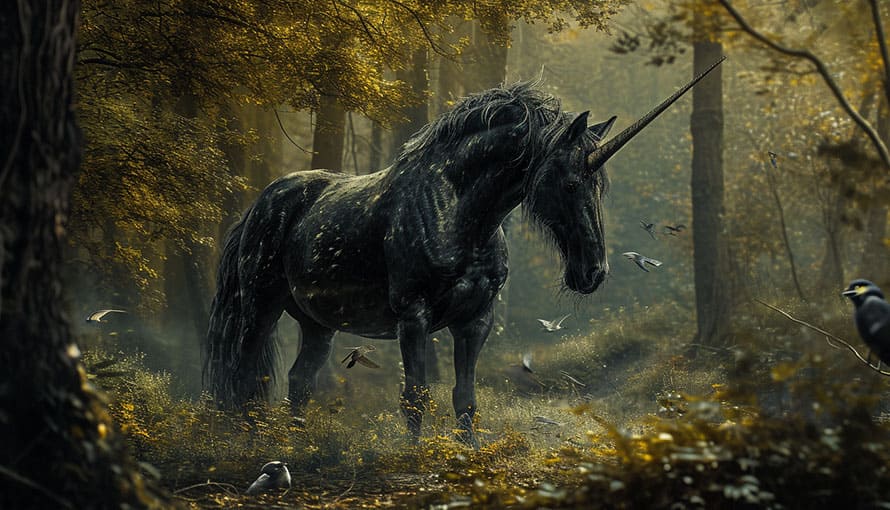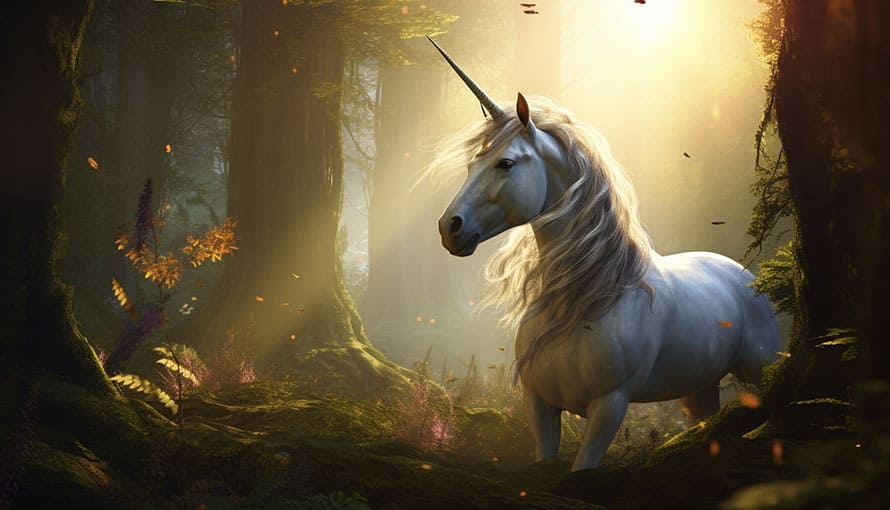
A unicorn is a magical creature that looks like a horse with one shining horn on its forehead. In stories, unicorns are often gentle, brave, and kind. They love peaceful forests, clear streams, and friends who treat nature with respect. Even though unicorns are make-believe, kids in America see them everywhere—on school supplies, birthday cakes, pajamas, and picture books. Unicorns remind us that imagination is powerful and that kindness and courage never go out of style.
Are Unicorns Real? The Myth and the Meaning
Unicorns aren’t real animals, but they are real in our stories and hearts. Long ago, travelers and writers told tales of mysterious one-horned creatures. Over time, people imagined unicorns as symbols of purity (clean water and honesty), hope (light in dark times), and magic (dreams coming true). Today, unicorns stand for being unique and proud of who you are—like a rainbow that shines after a storm.
Where the Legend Began: From Ancient Lands to Medieval Castles
Ancient storytellers: Greek and Middle Eastern writers described one-horned creatures in faraway places. Some may have been inspired by animals people didn’t know well yet.
In the U.S. today: You’ll find unicorns in children’s libraries, family-friendly museums during fantasy exhibits, school art projects, and weekend story times at local bookstores.
Medieval Europe: Unicorns appeared in colorful tapestries and fairy tales, often guarding secret gardens and sparkling springs.
Around the world: Different cultures imagined similar beings, like the Chinese qilin (a gentle, magical creature). These stories helped unicorns gallop into modern books and movies.
The Horn Story: From “Alicorn” to Narwhals
The unicorn’s horn is sometimes called an “alicorn” in old stories. People once believed a unicorn horn could clean water or protect against poison. Of course, that’s just a legend. But here’s the cool science:
Colors, Powers, and Personality
When you imagine a unicorn, think soft white fur, a rainbow mane, and a pearly horn. Stories often give unicorns gentle powers:
These “powers” are really reminders to take care of nature, be kind, and be brave.
Unicorns in Culture
Unicorns sparkle in everyday life:
Science Corner: Why Do We Love Magical Creatures?
Scientists who study myths say magical creatures help us explore big ideas. Unicorns let kids ask questions: What is bravery? Why should we protect nature? How can we be unique and kind? Magical stories build imagination—an important skill for problem-solving, science experiments, and creative writing.
How to “Spot” Unicorns (Hint: Use Your Imagination)
Kid-Friendly FAQs
Q: Are unicorns real animals?
A: No, unicorns are mythical creatures from stories. They feel real in our imaginations and teach us about being kind and brave.
Q: Why do people love unicorns so much?
A: Unicorns stand for uniqueness, hope, and magic. They remind us to dream big and be ourselves.
Q: What’s a unicorn’s horn called?
A: Some stories call it an “alicorn.” It’s a special name from old legends.
Q: Do unicorns live with rainbows?
A: Not in real life, but rainbows often show up in unicorn art and stories because they symbolize joy after storms.
Q: What real animals might have inspired unicorn tales?
A: Narwhals (with long tusks) and rhinoceroses (with one horn) may have sparked the idea.
Try This: DIY Unicorn Calm Jar
Create a glittery “calm jar” that helps you focus and breathe.
Materials: Clear plastic jar with lid, warm water, clear glue or glitter glue, fine glitter, a few beads or star confetti, food coloring (optional).
Steps: Fill the jar halfway with warm water. Mix in glue and glitter. Add a drop of color and a few stars. Fill to the top, seal tightly, and shake. Watch the sparkles swirl while you take slow breaths.
Key Takeaways for Kids
Read a fairy tale about a unicorn