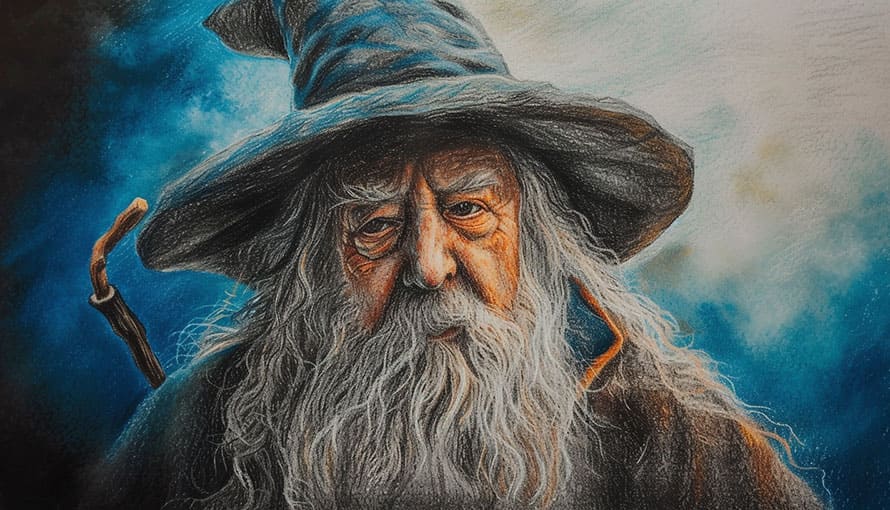
Wizards have been part of our stories for centuries. Long ago, many people believed in magical beings with special powers—and those ideas still inspire us today.
Ancient Roots: Magic, Priests, and Healers
In ancient Egypt and Greece, some people were thought to communicate with the gods or use special powers. These figures often served as priests, healers, or wise advisors. Early tales and myths include wizards and witches who could change shapes, fly, or control nature’s forces.
The Middle Ages and Early Witch Beliefs (500–1500 CE)
During the Middle Ages, many communities believed that magic could cause harm—like storms or sickness. Fear and suspicion sometimes led to accusations of witchcraft. These ideas carried into the next centuries, when witch hunts peaked in the 1500s–1600s, and many innocent people were put on trial.
Renaissance to Early Science (1400s–1600s)
As science and learning grew during the Renaissance, some superstitions began to fade. Wizards and witches moved more into stories and theater. In literature, they often appeared as wise, mysterious guides who helped heroes on their adventures. This era also saw alchemists and astrologers, blending early science with ideas of magic.
Wizards in Modern Stories
Today, wizards mostly live in our imaginations, books, movies, and games. Famous characters like Harry Potter or Gandalf show that being a wizard is about more than casting spells—it’s also courage, wisdom, and kindness. Through these stories, we can dream about magical adventures and believe in wonders.
What Wizards Remind Us
Wizards and witches remind us that the world can feel full of mystery and possibility—especially when we stay curious and open to learning.
Read the story about a wizard!