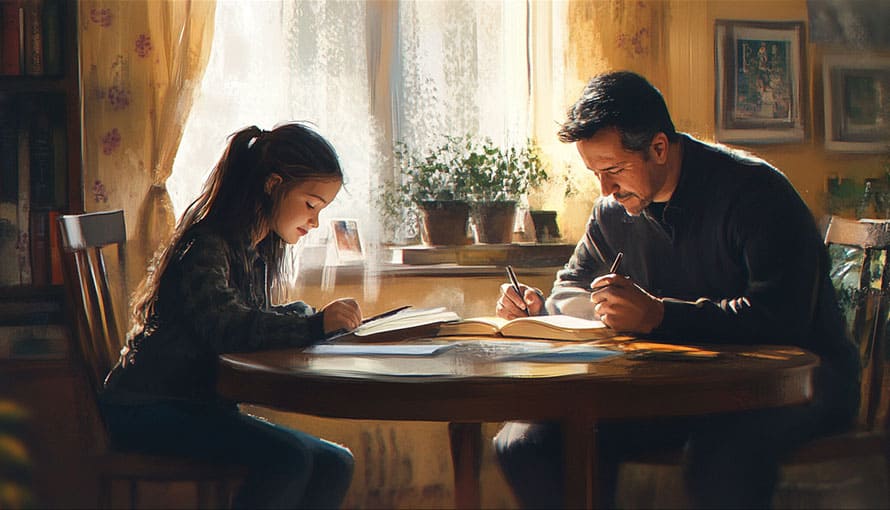
Inventing a fairy tale together is a fantastic way to spark your child’s creativity, expand their imagination, and build their vocabulary. It’s also a meaningful way for families to bond, and you might even start a tradition of stories passed down through generations. Here are some tips and tricks to help you get started—and keep your child engaged—while crafting your very own family fairy tale.
Choose a Main Theme or Character
Every great fairy tale begins with a central character or a simple theme that kids can easily recognize and relate to. This could be an animal, a magical creature, an enchanted object, or an ordinary child who embarks on an extraordinary adventure. Ask your kids what kinds of characters or creatures excite them. If they come up with their own ideas, they’ll be even more invested in shaping the story that follows.
Add a Conflict or Challenge
Any gripping story needs some sort of obstacle, mystery, or challenge for the characters to overcome. This keeps kids on the edge of their seats and encourages them to think through potential solutions. The conflict could be a lost toy, a mischievous character causing trouble, or any problem that’s easy for children to picture and feel.
Set a Storyline
A simple plot structure typically goes like this: beginning (introduce characters and setting) – middle (a problem or goal emerges) – climax (overcoming obstacles) – ending (happy resolution). You don’t have to stick rigidly to this formula—if your tale wants to go in another direction or remain open-ended, follow your family’s creative instincts. What matters is that everyone understands where the story is headed.
Involve Kids in Creating Dialogue
Fairy tales come alive through the conversations between characters. As you co-create, ask your children what the main character might say when confronted by a grumpy dragon, or how a fairy comforts her friend after a setback. This practice strengthens speech skills and emotional intelligence by helping them step into the shoes of different personalities.
Unleash Imagination and Visualization
Kids have incredible powers of imagination. Give them space to describe the land where the story takes place, or the colors and quirks of a dragon that might appear. If possible, encourage them to draw or craft simple props. Try asking questions like, “What do you think the magic wand can do?” or “What would it be like to visit a fairy forest?” This helps them feel like a true part of the story and boosts creativity.
Wrap Up with a Positive Message
No matter how tough the journey was for your heroes, aim to end your fairy tale on a positive note—with a lesson worth remembering. This teaches kids that every adventure is valuable. If you feel the story isn’t quite over, leave it open for sequels—there’s no limit to a child’s imagination!
Share Your Story Together
Once your fairy tale is finished, read it aloud or tell it as a family. You can even act it out with a homemade puppet show or simple paper costumes. The key is for children to feel proud of what you’ve created together and to enjoy the experience of building something unique.
Crafting your own fairy tales is not only fun—it helps your child build vocabulary, stretch their imagination, and learn the art of storytelling. Even if it feels tricky at first to come up with a plot, don’t get discouraged. All it takes is a little creativity, openness to your child’s ideas, and a willingness to dive into a magical world you invent together. Happy storytelling!