Dolls as we know them today have a fascinating history and have evolved from simple figurines into sophisticated toys with a wide range of features. Their origins stretch back to prehistoric times, when dolls served as ritual objects and fertility symbols. Early dolls were made from materials like clay, wood, bone, and stone.
Ancient Origins of Dolls: Egypt, Greece, and Rome
In ancient Egypt, dolls were used during religious ceremonies to honor gods and goddesses. In Greece and Rome, dolls were used to teach children about morals and manners. Later, wealthier children played with fancy dolls, while poorer children made their own from scraps and other materials they could find.
Medieval Puppet Theater: Dolls on Stage for Children and Adults
The Middle Ages saw the rise of puppet theater, featuring figures made from wood, clay, and paper—often used in shows for both children and adults.
19th-Century Doll Manufacturing: Porcelain and Bisque
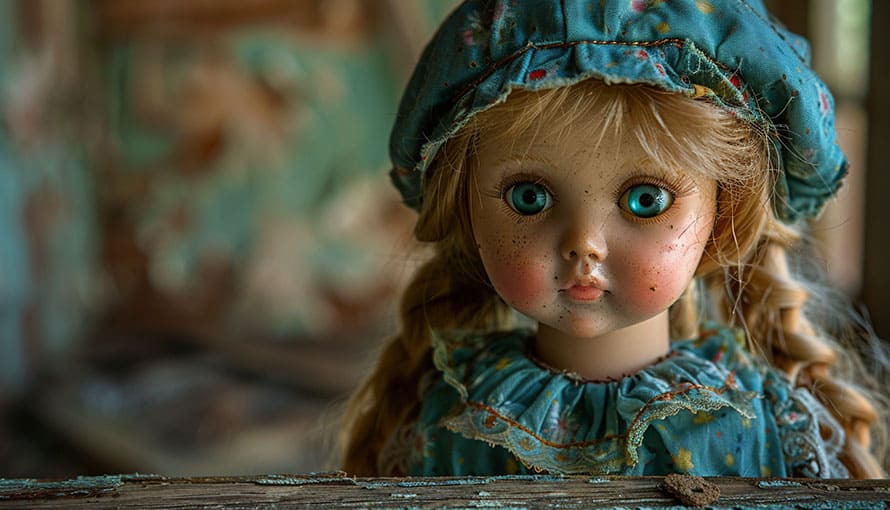
In the 19th century, dolls became mass-produced toys available to children around the world. Materials like porcelain and bisque made it possible to create very realistic dolls with detailed faces and clothing.
Barbie and the 20th-Century Revolution in Fashion Dolls
In the mid-20th century, the world-famous Barbie debuted (1959) and changed the toy world. Fashion dolls introduced new styles, accessories, and storytelling possibilities that influenced play and culture worldwide.
Modern Dolls: Interactive Features and Media-Themed Designs
Modern dolls offer a wide range of features and possibilities. Interactive dolls can talk, sing, and respond to children. Movie- and TV-themed dolls spark children’s creativity and help them immerse themselves in different stories.
Benefits of Playing with Dolls for Child Development
Dolls are important for children’s development. They boost imagination, social skills, fine motor control, and language skills. Playing with dolls helps children learn about the world, develop empathy, and build self-confidence.
Doll Materials and Craftsmanship: Porcelain, Vinyl, Resin, and Cloth
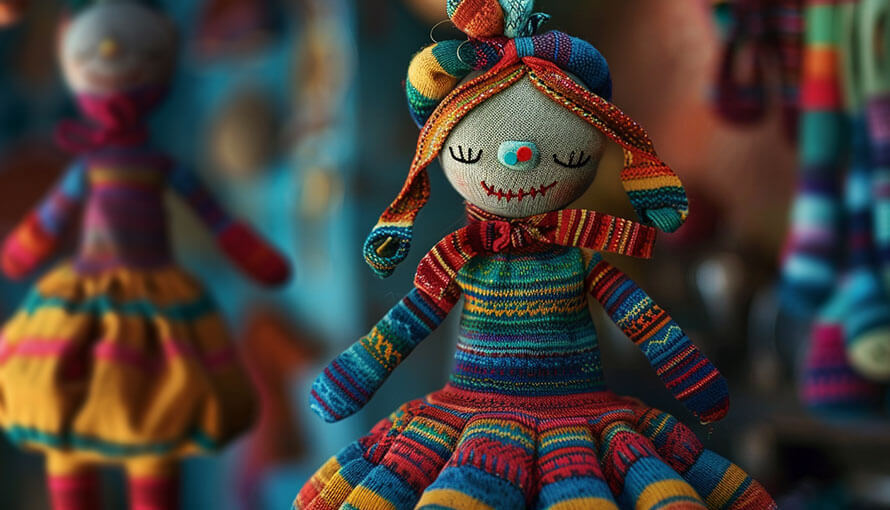
Traditional dolls often used porcelain and bisque for lifelike faces, while carved wood and cloth (rag dolls) provided durability and warmth. Since the mid-20th century, vinyl has become the most common material for play dolls because it’s soft, resilient, and easy to clean. Resin is popular for collectible dolls thanks to its fine detail and smooth finishes. Articulated joints, hand-painted features, and high-quality fabrics let artisans create expressive, long-lasting pieces that appeal to both children and collectors.
How to Choose and Care for Dolls: Safety, Cleaning, and Storage
Select age-appropriate dolls: for toddlers, choose soft, stitched features and avoid small parts; for preschoolers and older children, look for washable dolls with sturdy seams. In the United States, check for compliance with ASTM F963 toy safety standards. For care, gently clean vinyl with mild soap and water; keep porcelain and bisque away from moisture and extreme temperature changes. Store dolls out of direct sunlight to prevent fading, and use breathable containers to reduce humidity. For heirloom or collectible dolls, handle with clean hands and consider acid-free tissue for long-term storage.
Representation and Diversity: Inclusive Dolls for Every Child
Contemporary doll lines increasingly embrace diversity in skin tones, hair textures, body types, and abilities—featuring dolls with hearing aids, wheelchairs, prosthetics, and more. These inclusive designs help children see themselves reflected in play, promote empathy, and encourage conversations about individuality and respect.
Conclusion: Why Dolls Endure
Dolls have come a long way—from ancient symbols to modern toys that help children grow and make playtime exciting. Their blend of craftsmanship, storytelling, and emotional connection keeps them timeless across cultures and generations.
Read the story about a doll!