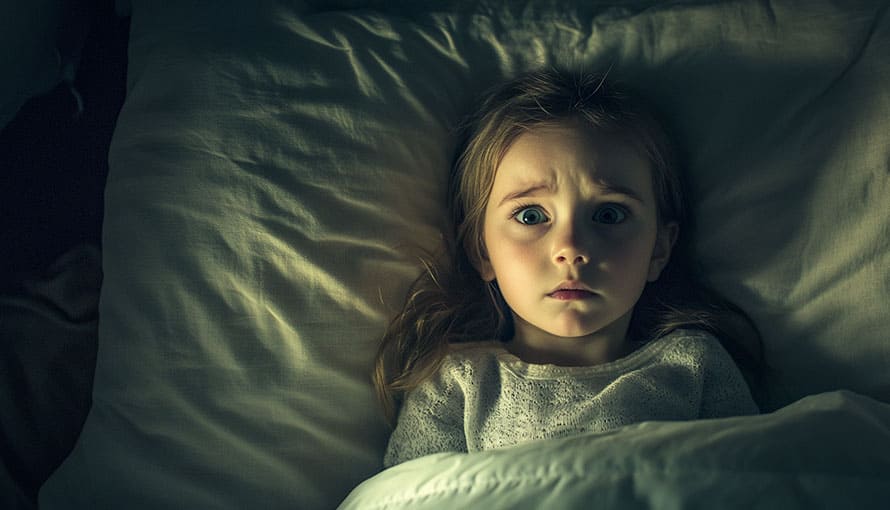
Fear of the dark is a common experience for children of all ages. It’s a natural stage of development, as kids learn to distinguish between what’s safe and what might pose a threat. Even though it may seem like “just a phase,” darkness can feel genuinely frightening for many kids, leading to bedtime struggles, requests for nightlights, or insistence on a parent staying in the room.
What Is Fear of the Dark and Where Does It Come From?
At its core, fear of the dark is fear of the unknown. In the dark, a child can’t see their surroundings as clearly as during the day, so their imagination fills in the blanks. Suddenly, shadowy corners might seem full of hidden dangers or “monsters.”
Developmental stage plays a big role too. This fear often appears around ages 2 to 3, when children’s imaginations blossom and they begin to understand that real dangers exist. Older kids (preschoolers and younger grade-schoolers) are exposed to more stories, shows, and movies featuring spooky creatures or mysterious happenings. These can fuel nighttime fears, especially right before bed.
Why Are Some Kids Afraid of the Dark?
1. Sudden Changes in Environment
A child may feel fine in a brightly lit room or with a parent nearby, but once the lights are off, the space can feel entirely different. Things that made sense during the day seem unfamiliar at night, ramping up a child’s natural alertness.
2. Active Imagination
Imagination is a wonderful asset for kids—but at bedtime, it can work overtime. In the dark, those big thoughts often turn into scary scenarios that seem less threatening in daylight.
3. Scary Content
Spooky stories, movies, or even certain books can blur the line between fiction and reality for kids. The “monster” from their favorite show might seem all too real in their own bedroom after dark.
4. Stress or Negative Experiences
If your child is going through a difficult time (changes at home, challenges at school), fear of the dark can intensify. Even one negative experience associated with darkness—like a power outage or waking suddenly in total darkness—can leave a lasting impression.
How to Help Kids Overcome Nighttime Fears
1. Open Communication
Start by talking with your child about their fears. Ask specifically what frightens them, and gently explain that their room is the same in the dark as it is during the day. Building a sense of security and validating their feelings is key.
2. Nightlights
Consider using a soft nightlight to offer comfort. Avoid brightly colored or overly stimulating lights, which can disturb sleep patterns.
3. Demystify the Dark
Explore the bedroom together with a flashlight, pointing out favorite toys and familiar objects. Play a “detective game” and help your child see that nothing is hiding in the dark corners.
4. Consistent Bedtime Routine
Kids thrive on ritual and predictability. Calm activities like storytime, soothing music, or a gentle chat before sleep can lower anxiety. Just steer clear of suspenseful or scary stories at bedtime.
5. Parental Presence
Sometimes all it takes is staying with your child for a few minutes after lights out until they feel relaxed enough to drift off. Try easing yourself out gradually—maybe stepping out with a promise to come back and check in after a few minutes.
6. Foster Confidence and Courage
During the day, play games that boost bravery and self-esteem. You could draw “monsters” and then tear up or throw away those drawings together. These playful rituals help kids feel more in control of their fear.
When to Consider Professional Help
Most nighttime fears fade with age. But if your child’s fear of the dark leads to chronic sleep loss, extreme anxiety, or interferes with daily life, it’s wise to consult with a pediatric psychologist. They can pinpoint underlying causes and offer practical strategies to address anxiety.
Final Thoughts
Fear of the dark is a normal part of growing up. It’s important for parents to validate their children’s feelings and provide patient, loving reassurance that darkness is not dangerous. Focus on prevention, foster a calming bedtime atmosphere, and be there as a source of support—these approaches will help kids gain trust in the safety of their home and their own ability to overcome fear.
Remember, your job isn’t just to “banish” fear, but to teach your child how to manage it and build resilience. By creating a safe space where your child knows it’s okay to talk about their worries, you can transform darkness from a dreaded enemy into a simple, natural part of life. With time, support, and the right tools, bedtime can become less scary and more peaceful for everyone.